
The Knowledge Gap: Why Intellectual Understanding Isn't Enough for Real Change
Feb 09, 2026The Intellectual Impasse
One of the most frequent questions I receive from clients is a simple but profound one. They say they know exactly what they want to change. They might want to be more confident, delegate more effectively, or speak up more in meetings. The question they cannot answer is how they actually achieve that change.
It is a brilliant question. Usually, it comes from individuals who have already invested significant time thinking about their behaviour. In many cases, they have tried to change multiple times without seeing any lasting effect.
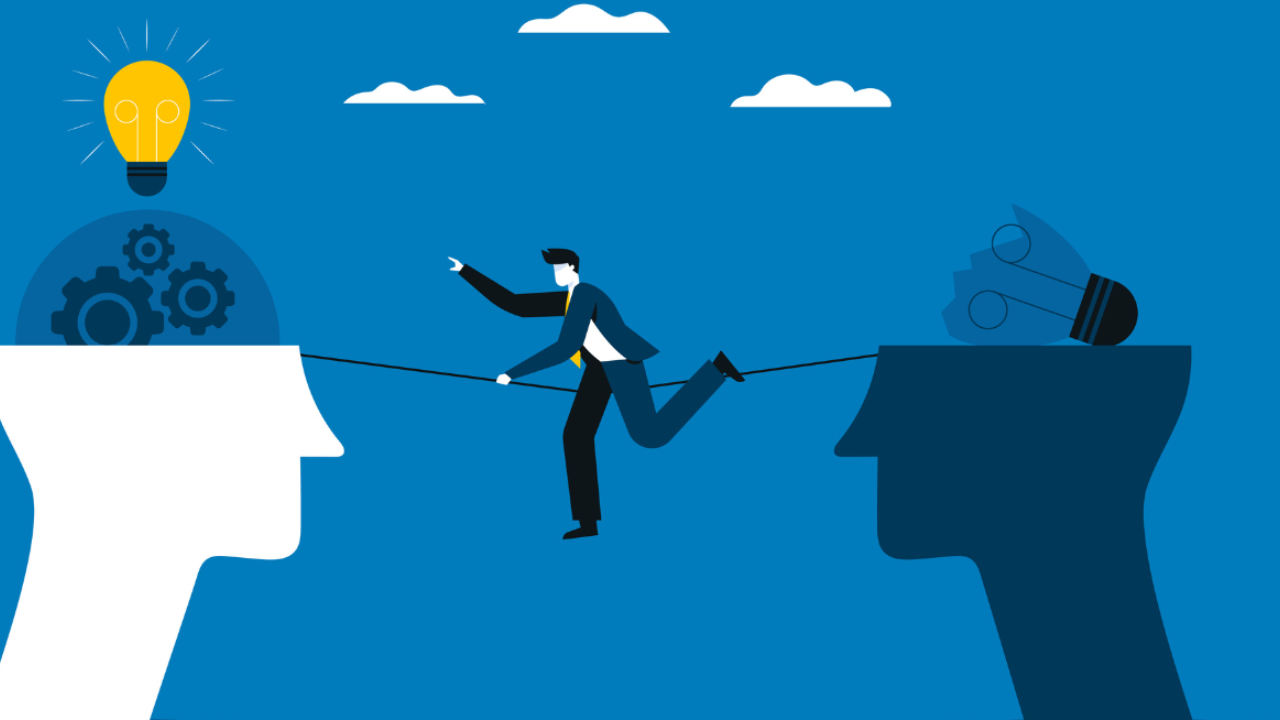
The reason for this struggle is that knowing something intellectually is not the same as knowing it emotionally. You can understand a pattern, describe it with total clarity, and even recognise the cost of maintaining it. Yet, in the moments that matter, you still find that the same old response appears.
The Barrier of the Senior Role
At senior levels, there is an additional complication. The sheer pace and volume of information that leaders process every day limits one of the most vital ingredients of change, which is consciousness.
When your attention is stretched to its limit, your brain does exactly what it was designed to do. It relies on established patterns that feel familiar and efficient. While many of these patterns are useful and have served you well throughout your career, they become a trap when you want to evolve. In the specific moment where you intend to do something differently, you may simply lack the cognitive bandwidth to choose a new path.
Why Effort is Not the Answer
Genuine change rarely comes from trying harder. It is not about applying more effort to the same information you already possess. Instead, the initial shift often comes from introducing a different thought at the very beginning of the process. This involves finding a fresh perspective that creates more options than your brain’s existing patterns currently allow.
Consider a recent example involving a new equity partner at a law firm. They had become deeply anxious about their billable hours. With a target of two thousand hours for the year, they had only reached one thousand. While the facts were clear, their thinking was incredibly narrow. Their brain produced a limited set of conclusions about what this meant, leading to a strong emotional response of anxiety.
Creating New Possibilities
By introducing a new perspective and developing it properly, we did not change the underlying facts. Instead, we created a different set of possibilities. This shifted how the partner felt. They became conscious of feeling less anxious when focusing on the fresh perspective and noticed the old anxiety returning only when they defaulted to old habits.
We were not removing reality, but rather stopping one specific interpretation of reality from becoming the only one. At the executive level, this is what real change looks like. It is not a single, sudden insight. It is a gradual increase in what you can consciously access when it counts the most.
Take the Next Step in Your Development
If you are ready to move beyond intellectual understanding and start creating real, emotional change in your leadership, we can help.
Discover more at
WORK WITH EDGEEQ
EdgeEQ works at the individual, team and organisational level. Each entry point applies the same methodology—the four stage change architecture—at the scale that is right for where you are.
Whether you are looking for precise executive coaching, a shift in team dynamics, or a full organisational transformation, our approach reaches the level where patterns actually live to create lasting movement.
Stay Ahead of the Curve
Join the EdgeEQ Community.
The world is changing fast, but leadership methodology often lags behind. Join our mailing list to receive sharp insights on neuroscience, trust architecture, and the "how" of behavioural change, delivered directly to your inbox.
Stay connected with the latest news, research, and updates from the edge of leadership evolution.
We hate SPAM. We will never sell your information, for any reason.
